
Central Texas community guide
Living in Round Rock, Texas
Williamson County, with a small portion in Travis County · About 15 miles north of Austin
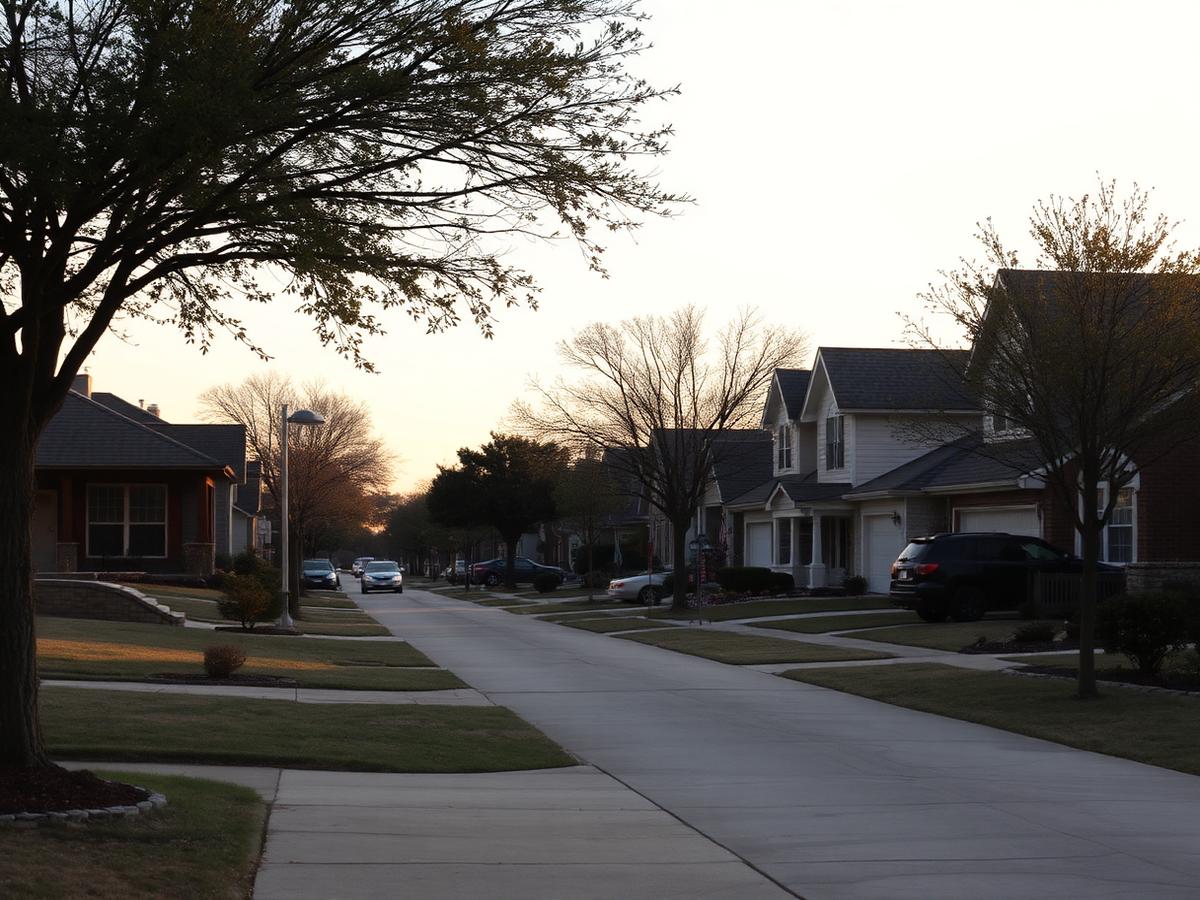
Round Rock has grown into a city of its own rather than a bedroom community. Established subdivisions, newer master-planned developments, employment centers, and regional retail all sit inside the same city limits.
A practical introduction to the housing, neighborhoods, amenities, and different parts of Round Rock.
At a glance
- I-35 and SH 45
- Primary highway access to Austin and the region
Understanding Round Rock
One city, several different ways to live.
Round Rock developed in waves, and you can read those waves in the housing. The area near the original town center holds the oldest homes and the smallest subdivisions. Rings of development from the 1980s and 1990s follow, then the larger master-planned communities of the last twenty years on the western, northern, and eastern edges.
The city sits on both sides of Interstate 35, and which side you are on affects daily routine more than the map suggests. West Round Rock connects readily toward Cedar Park and northwest Austin. East Round Rock is oriented toward SH 130 and the newer development along it.
Employment inside Round Rock is substantial, including a large corporate presence, medical facilities, and regional retail. For some households that shortens the daily drive considerably compared to living farther out and commuting into Austin.
Mailing addresses do not equal municipal boundaries here. Several communities commonly marketed as Round Rock sit outside the city limits, in unincorporated Williamson County, or in a different school district. Confirm the jurisdiction, tax rate, and attendance zone for the specific address.
Explore by area
The main parts of Round Rock.
These are high-level search areas rather than legally defined boundaries. They are meant to help you narrow down where to look first.
Central and Historic Round Rock
Older neighborhoods near the original town center, with smaller subdivisions and homes from several development eras.
Typical housing: Mid-century and 1970s to 1980s homes, some older, on varied lots
Neighborhood guides coming soon
- Downtown Round Rock
- Old Town
- Eggers Acres
- Round Rock West
West Round Rock
Established subdivisions and larger planned communities with trail access and routes toward Cedar Park and northwest Austin.
Typical housing: 1990s to 2010s subdivisions, some larger lots and custom sections
Neighborhood guides coming soon
- Behrens Ranch
- Walsh Ranch
- Stone Canyon
- Sendero Springs
- Hidden Glen
- Brushy Creek
Some communities marketed as Brushy Creek sit outside the Round Rock city limits, in unincorporated Williamson County. Services, tax rates, and school assignments can differ.
East Round Rock
Newer subdivisions and continuing development, with access to State Highway 130 and a growing supply of recently built homes.
Typical housing: 2010s to current production construction, planned amenity centers
Neighborhood guides coming soon
- Siena
- Salerno
- Vizcaya
- Forest Creek
- Legends Village
North Round Rock
Residential communities between central Round Rock and Georgetown, with access shaped by Interstate 35, University Boulevard, and nearby medical and retail development.
Typical housing: 2000s to current subdivisions, a mix of production builders
Neighborhood guides coming soon
- Teravista
- Eagle Ridge
- Paloma Lake
- Mayfield Ranch
- Vizcaya
Several of these communities cross city, postal, or school-district lines. Teravista, for example, spans more than one jurisdiction. Verify by address rather than by community name.
Housing
What kinds of homes will you find?
Round Rock housing spans roughly five decades. Homes near the center date to the mid-century and the 1970s. The 1980s and 1990s produced large volumes of traditional suburban subdivisions. The last twenty years added master-planned communities with amenity centers, trails, and phased builder releases.
Detached single-family homes dominate. Townhomes and condominiums exist but are a smaller share of the market, mostly newer and clustered near retail corridors. Apartments and rental homes are concentrated along the interstate and near the employment centers.
Custom construction is limited compared to the Hill Country cities to the west. Most newer homes here come from production builders, which means floor plans repeat and comparing two homes often comes down to lot, elevation, and finish level.
Because eras differ so much, the practical questions differ too. An older home raises maintenance and system questions. A newer one raises district, assessment, and builder-warranty questions.
Established homes
1970s through 1990s subdivisions across the central and western parts of the city.
New construction
Concentrated on the eastern and northern edges, with active builder phases.
Lock-and-leave options
A smaller supply of townhomes and condominiums, mostly newer and near retail.
Larger lots and acreage
Limited, mainly in older acreage pockets and at the western edge.
Luxury properties
Found in select western communities and custom sections rather than citywide.
Rental opportunities
Single-family leases in established subdivisions plus newer apartment communities.
New construction
New construction in Round Rock
New construction in Round Rock is mostly subdivision development rather than infill. The active areas sit east toward SH 130 and north toward Georgetown, where land is available in larger parcels.
Production builders lead this work, offering standard floor plans with option packages. Custom building happens, but on a much smaller scale than in the Hill Country cities west of here.
Builder incentives change frequently and are often tied to using a preferred lender or to specific inventory homes that need to close by a certain date. Ask what is actually available on the day you shop, and get it in writing.
Newer communities may include a municipal utility district or public improvement district assessment on top of homeowner association dues. Ask for the current combined rate before you compare a new home to a resale home.
If you plan to visit a model home, talk with Alyssa before you register. Buyer representation and how it is compensated should be discussed in advance, because builder registration policies can affect whether you can be represented later.
Getting around
Access and everyday travel
Major roads
- Interstate 35, the main north-south route through the city
- SH 45 toll, connecting west toward Cedar Park and MoPac
- SH 130 toll, running along the eastern side of the region
- University Boulevard and RM 620, the primary east-west connectors
Transit
- Capital Metro regional service connects portions of the area; coverage is limited compared to Austin proper
Worth knowing
- Travel time varies substantially by time of day, construction, and the specific neighborhood.
- I-35 through this stretch has been under long-term construction. Plans and lane configurations change.
- Austin-Bergstrom International Airport is southeast of Austin, which generally means using SH 130 or I-35 from here.
Daily life
What is nearby?
Not every home is close to every one of these. Where you land inside the city changes what is a short trip and what is not.
Parks and outdoor recreation
- Old Settlers Park, a large regional park with sports fields and trails
- The Brushy Creek Regional Trail on the western side
- Play for All Abilities Park
- Lake Creek and neighborhood park systems
Shopping and groceries
- Round Rock Premium Outlets
- La Frontera and the University Oaks retail area
- Neighborhood grocery anchors throughout the city
Dining and entertainment
- Downtown Round Rock restaurants around the historic center
- Kalahari Resorts, a large indoor waterpark resort
- Dell Diamond, home of the Round Rock Express
Medical facilities
- St. David's Round Rock Medical Center
- Ascension Seton Williamson
- Baylor Scott and White Round Rock
Major employment areas
- Dell Technologies headquarters
- The medical campuses
- Retail and distribution along the I-35 corridor
Cultural and civic destinations
- The historic downtown district
- Texas State University Round Rock Campus
- Austin Community College Round Rock Campus
Schools
School districts and boundaries
These public school districts serve portions of Round Rock or the commonly associated postal area. School assignments vary by address and can change. Buyers should verify current attendance zones directly with the applicable school district.
- Round Rock ISD
- Leander ISD
- Georgetown ISD
- Hutto ISD
- Pflugerville ISD
Neighborhoods
Start exploring Round Rock
Individual guides are published as they are written, so each one has something useful in it. Ask about any of these in the meantime.
North Round Rock
Teravista
Large golf-course community north of the city center that crosses more than one jurisdiction.
- Master-planned
- Golf course
Guide coming soon
West Round Rock
Behrens Ranch
Established western community with a range of home sizes and trail connections.
- Established homes
- Trails
Guide coming soon
East Round Rock
Forest Creek
Golf-course community on the east side with homes from the 1990s onward.
- Established homes
- Golf course
Guide coming soon
North Round Rock
Paloma Lake
Newer community built around a lake and amenity center, developed in phases.
- Newer construction
- Amenity center
Guide coming soon
East Round Rock
Siena
Newer east-side community with production-builder homes and continuing phases.
- New construction
- Production builders
Guide coming soon
Central Round Rock
Old Town
Older homes near the historic center, on smaller and irregular lots.
- Older homes
- Downtown access
Guide coming soon
West Round Rock
Walsh Ranch
Western community with larger homes and access toward SH 45 and Cedar Park.
- Larger homes
- West access
Guide coming soon
North Round Rock
Mayfield Ranch
Northern community near the Williamson County line with several distinct sections.
- Master-planned
- Newer construction
Guide coming soon
For buyers
Is Round Rock a fit for your search?
Round Rock tends to suit buyers who want a full-service city with its own employment, retail, and medical infrastructure, plus a choice between established and newly built homes. It is less of a fit if you want acreage or Hill Country terrain.
What tends to work well
- A genuine mix of established subdivisions and current new construction
- Significant employment inside the city, not only in Austin
- A well-developed park and regional trail system
- Two highway options north and south, plus toll connections east and west
Practical considerations
- Property tax rates vary, and newer communities may add district assessments
- Interstate 35 construction affects travel patterns in this stretch
- Some communities marketed as Round Rock lie outside the city limits
- Newer subdivisions often mean smaller lots than older ones at similar prices
- Homes from the 1980s and 1990s may need roof, HVAC, or system updates
For sellers
Selling a home in Round Rock
Round Rock is not one market. A 1985 home near the center and a 2019 home on the east side are priced by different sets of comparable sales, even in the same city.
In the newer communities, your competition includes builder inventory nearby. When builders offer rate buydowns or closing cost incentives, that affects how a resale home should be positioned.
Builder, floor plan, and lot matter to buyers here, because so many homes share plans. A greenbelt lot or a preferred elevation can separate two otherwise identical houses.
Tax rate and school boundary belong in the pricing conversation, particularly near the district lines. An automated online estimate is not an appraisal and will not account for any of this.
FAQ
Questions about Round Rock
Plan your search
Get the Round Rock home search guide
A practical starting point for comparing neighborhoods, housing options, new construction, and the questions to ask before choosing an area.
Community information was last reviewed on July 2026. School boundaries, commute times, pricing, availability, tax rates, and development plans can change. Verify anything that matters to your decision with the applicable city, county, school district, or provider. Questions about a specific address? Call Alyssa at 512.922.3540.